
Chimney sweep in Shorewood, IL
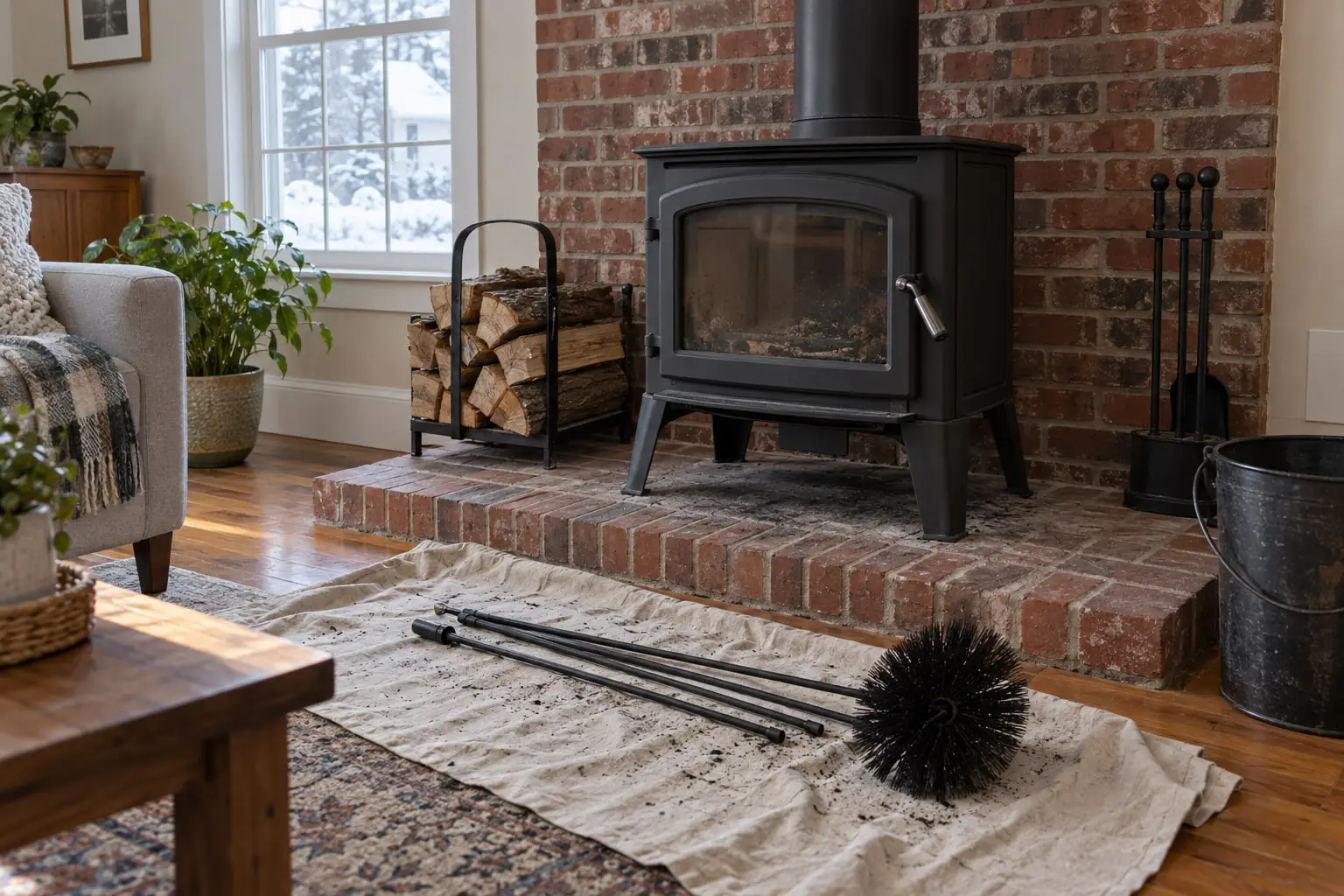
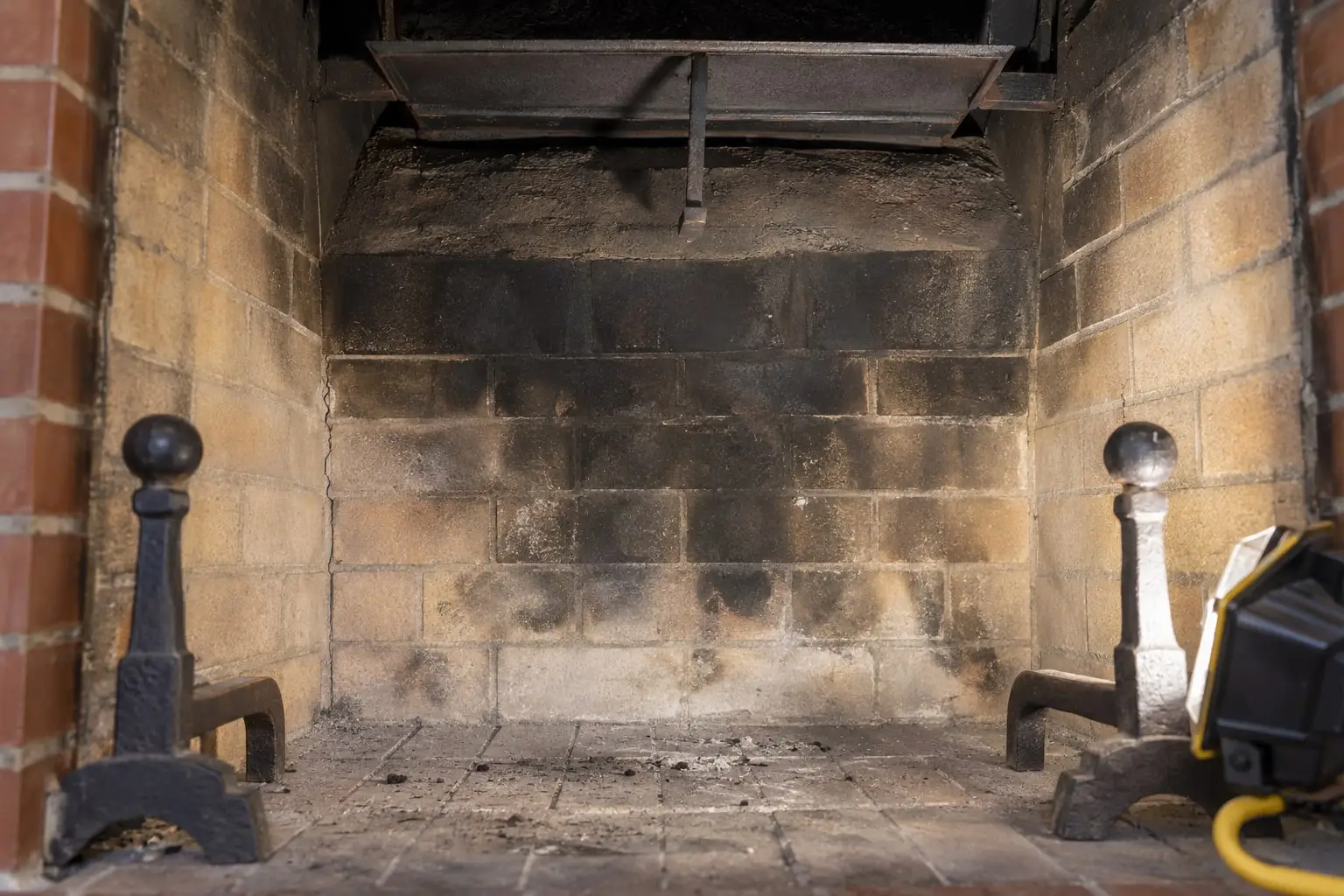
Rods, brushes and a vacuum take the soot and creosote off the flue walls, and the floor around your hearth stays clean while they do.
- Open fireplaces
- Stoves and inserts
- Flue and connector pipe
The yearly job that keeps a fire a fire
Every log leaves a little residue behind. Soot is loose and brushes off, while creosote, the tarry part, sticks to the flue and can ignite if enough of it builds up. A sweep takes both off before the next cold season.
The visit is short for a flue that is looked after, and it is the best moment to spot a loose liner tile, a damaged damper or a rusted cap while it is still a small thing.
- A fireplace you light most weekends
- A wood stove that heats a room all winter
- An insert set into an older masonry fireplace
- A chimney that has not been swept since you moved in
- A house you just bought with a fireplace
- Smoke that lingers in the room after a fire
What you get with Chimney sweep
A cleaner burn
With the flue clear, air moves up the chimney the way it was built to, and the fire draws easier.
Less fuel for a chimney fire
Creosote is what burns in a chimney fire, so taking it off is the main safety gain.
A look inside
While the brush goes through, we see the liner, the damper and the smoke shelf, and say what we saw.
A tidy hearth
Drop cloths and a vacuum mean the room is left the way we found it.
What a sweep covers
The visit follows the path the smoke takes, from the firebox to the opening at the top.
- The flue brushed from top to bottom
- The smoke shelf and smoke chamber cleared
- The firebox and damper vacuumed out
- The stovepipe of a stove or an insert brushed
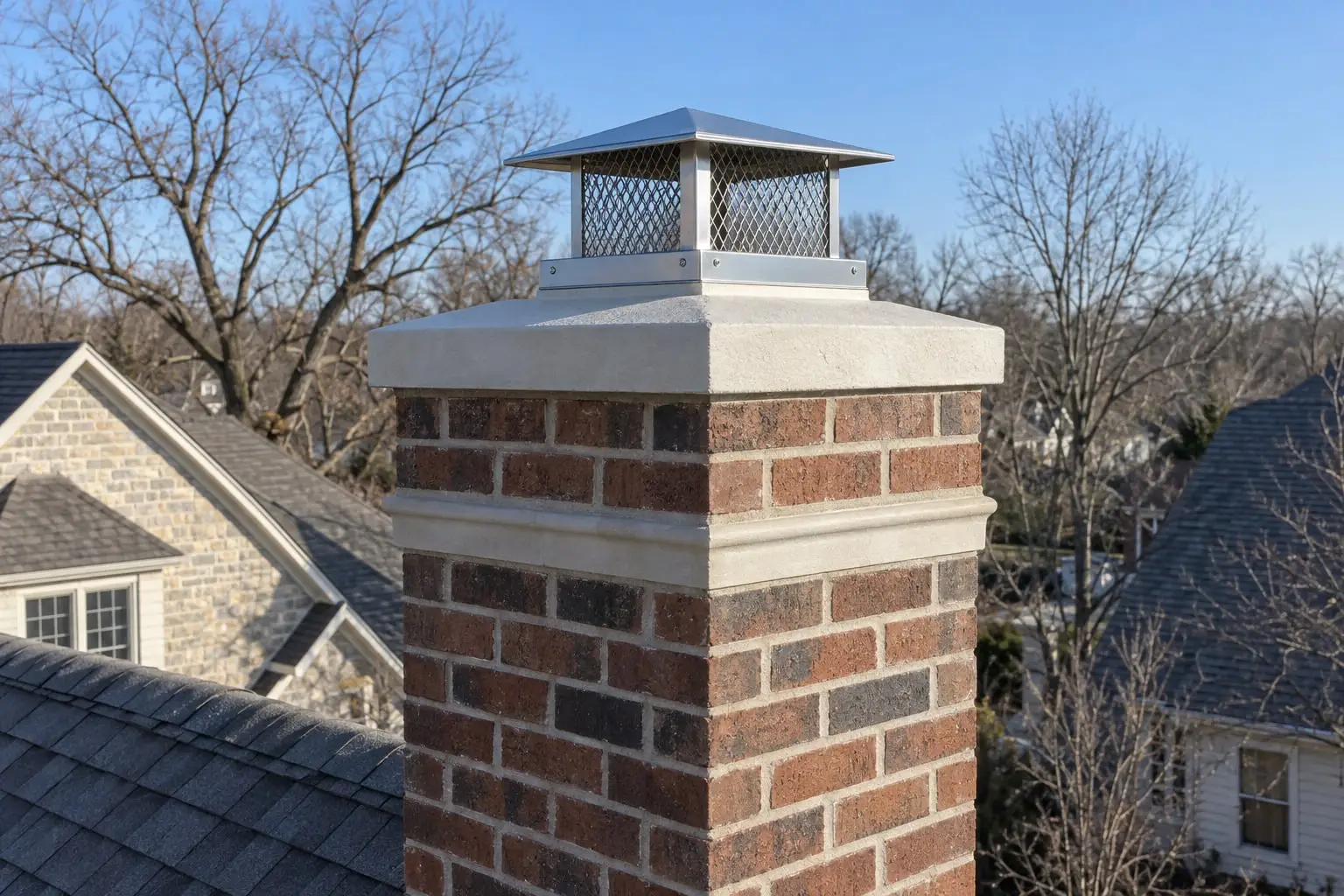
- A look at the cap from the roof or the ground
- A short, plain report of what we saw
Fireplaces, stoves and inserts
A masonry fireplace, a freestanding stove and an insert each send smoke up a different kind of pipe. We bring the brush that fits the flue, whether it is clay tile, a stainless liner or a stovepipe, and we tell you which of them is yours when we are done.
Chimney sweep questions
How often should I have the chimney swept?
For a chimney in regular use, once a year before the burning season is the usual answer. Fire codes written by the National Fire Protection Association ask for a yearly inspection of the chimney and the appliance on it, and a sweep is done in the same visit. Burn a lot of wood and it may be worth looking sooner.
Do gas fireplaces need a sweep?
Gas burns cleaner than wood, so there is far less soot, but the vent still carries moisture and can hold nests or debris. A look once a year is still a good idea.
Will it make a mess in my living room?
It should not. Floor protection goes down first, the brush works inside a tight setup at the firebox opening, and a vacuum with a filter follows it, so the dust stays out of the room.
What if you find a problem?
You hear about it that same day, in plain words, together with the options and what each involves. Nothing gets repaired until you tell us to go ahead.
Other services we provide
Chimney cleaning
The heavier job for a neglected flue: hardened creosote, nests and debris cleared out of the whole smoke path.
Chimney inspection
Every part from firebox to cap checked and explained, before a fire, a sale or a repair.
Chimney repair
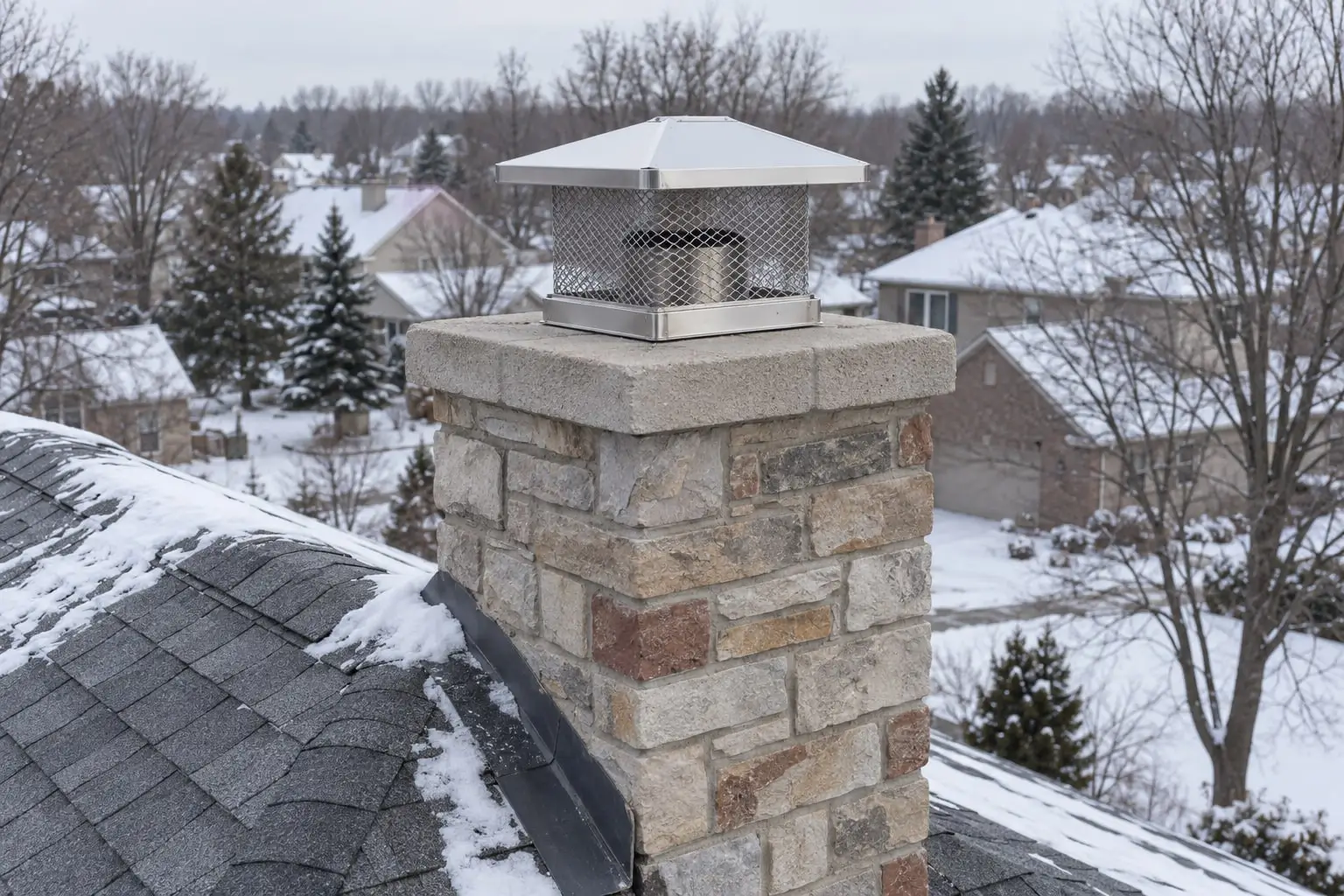
Caps, crowns, flashing, flue pipe and masonry repaired, so water and sparks stay where they belong.
Ready to book your chimney sweep?
Fireplace, stove or insert? Tell us which, leave your number, and we call to set up a visit.