

Chimney cleaning in Shorewood, IL
When a chimney smells, smokes back or has sat for years, a quick pass will not do. We work the buildup, the nests and the fallen debris out from the firebox to the flue top.
- Glazed creosote
- Nests and debris
- Smoke chamber and firebox
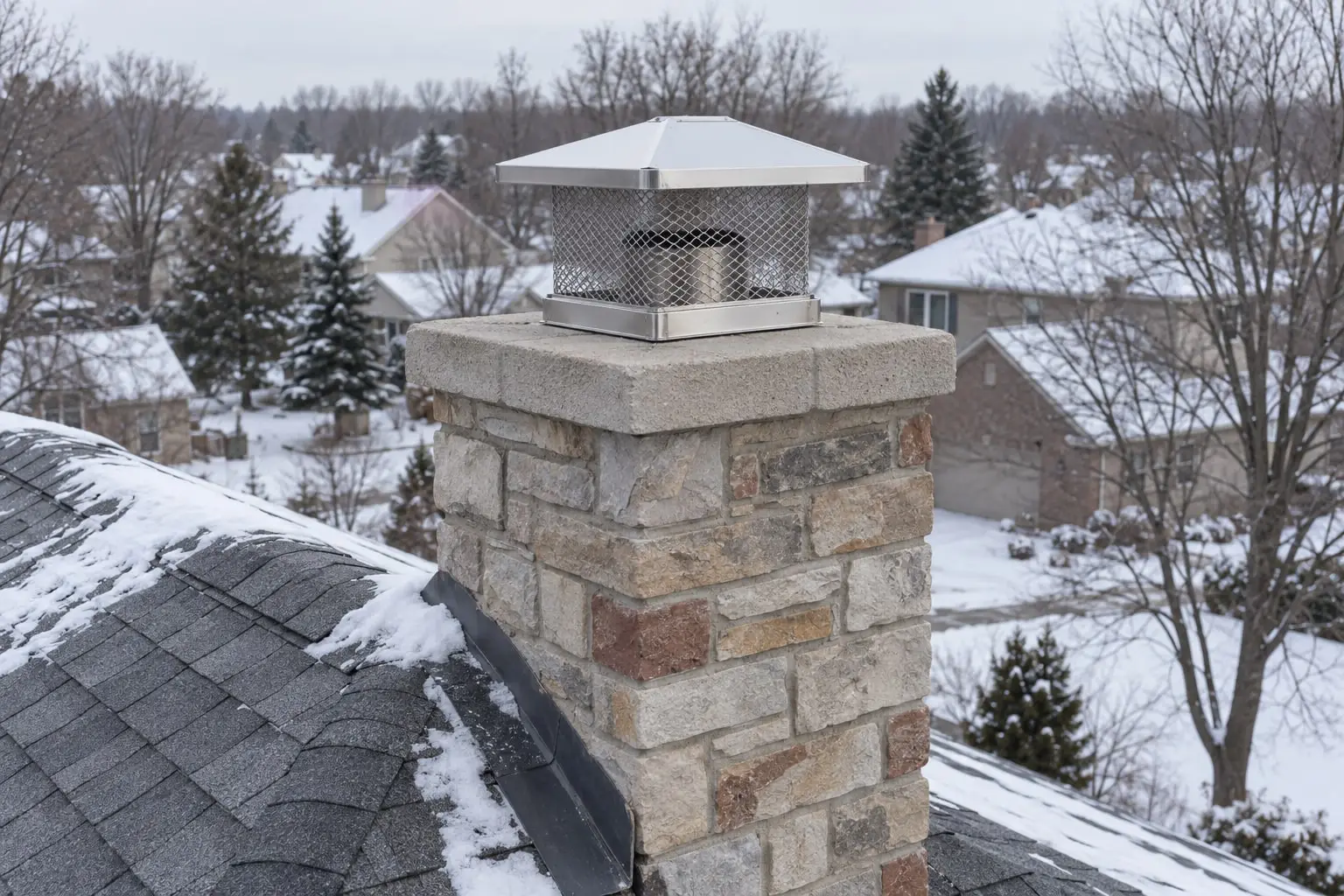
For the chimney a routine sweep cannot fix
Left alone for many seasons, creosote can turn from a dusty film into a hard, shiny glaze. An ordinary brush rides over it, which calls for different tools and often a second pass.
Cleaning is also the answer when something else has fouled a chimney. These are the cases where we recommend it.
- A chimney nobody has cleaned in many years
- A sour, smoky smell that drifts into the room
- Birds or squirrels that nested in the flue
- Leaves or loose mortar piled on the smoke shelf
- A stove whose glass blackens quickly
- A fireplace you want to use again after a long rest
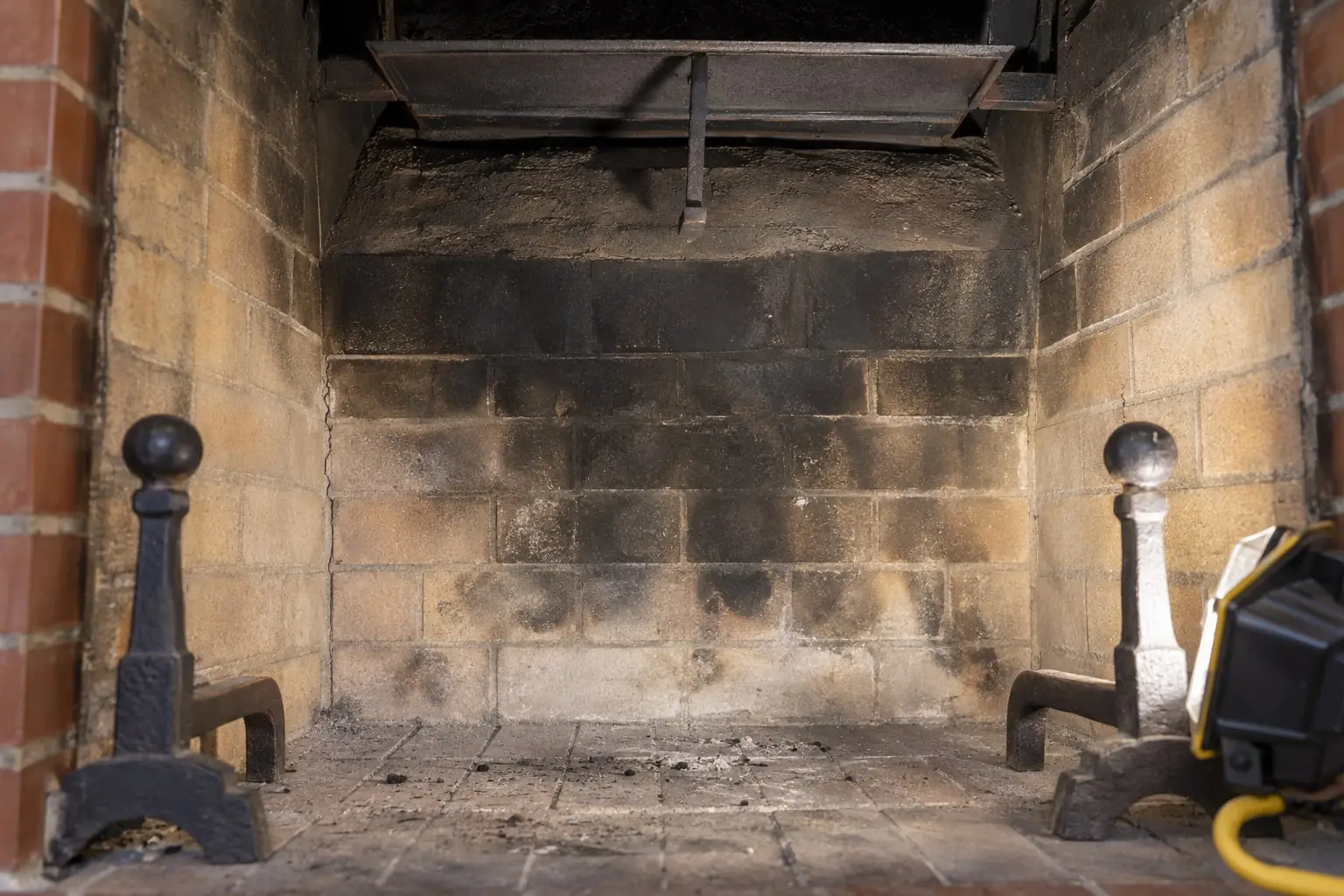
What you get with Chimney cleaning
Walls down to the surface
We keep working until the flue wall itself shows, not just the loose top layer of soot.
Safer burning
Hard creosote is the most flammable deposit in a chimney, so removing it is the biggest safety step here.
A fresher room
The stale odor of an old fireplace comes from the deposits, and it eases once they are gone.
A protected floor
The hearth and the floor are covered first and left tidy.
What a deep cleaning includes
It covers the whole route smoke takes, not only the long straight run of the flue.
- Repeated brushing where the buildup is thick
- The smoke chamber and the smoke shelf
- The firebox, ash dump and damper
- Nests, leaves and other debris lifted out
- The connector pipe of a stove or an insert
- A glance at the stove glass and door seals
Stoves and inserts
A stove fed damp wood coats its pipe quickly and the glass goes dark with it. Cleaning the pipe and the glass helps, and so does a change in the wood: dry, seasoned logs leave a fraction of what green ones do.
Chimney cleaning questions
Is cleaning different from a sweep?
Yes. A sweep is the yearly pass on a flue that is kept up. Cleaning is for the harder cases, such as glazed creosote or an animal nest. On the phone we tell you which one fits.
Why does the fireplace smell when it is not in use?
Old deposits hold odor, and humid air or a downdraft carries it into the room. Cleaning the flue and the smoke chamber usually cuts it down a lot.
Something is living in my chimney. What now?
Keep the fire unlit and call us with what you hear. We clear the nest and debris, and a mesh-screened cap stops it happening again.
Can blackened stove glass be cleaned?
Yes, and it is part of the visit. Drier wood and a hotter, well-fed fire keep the glass clear for much longer after it has been cleaned.
Other services we provide
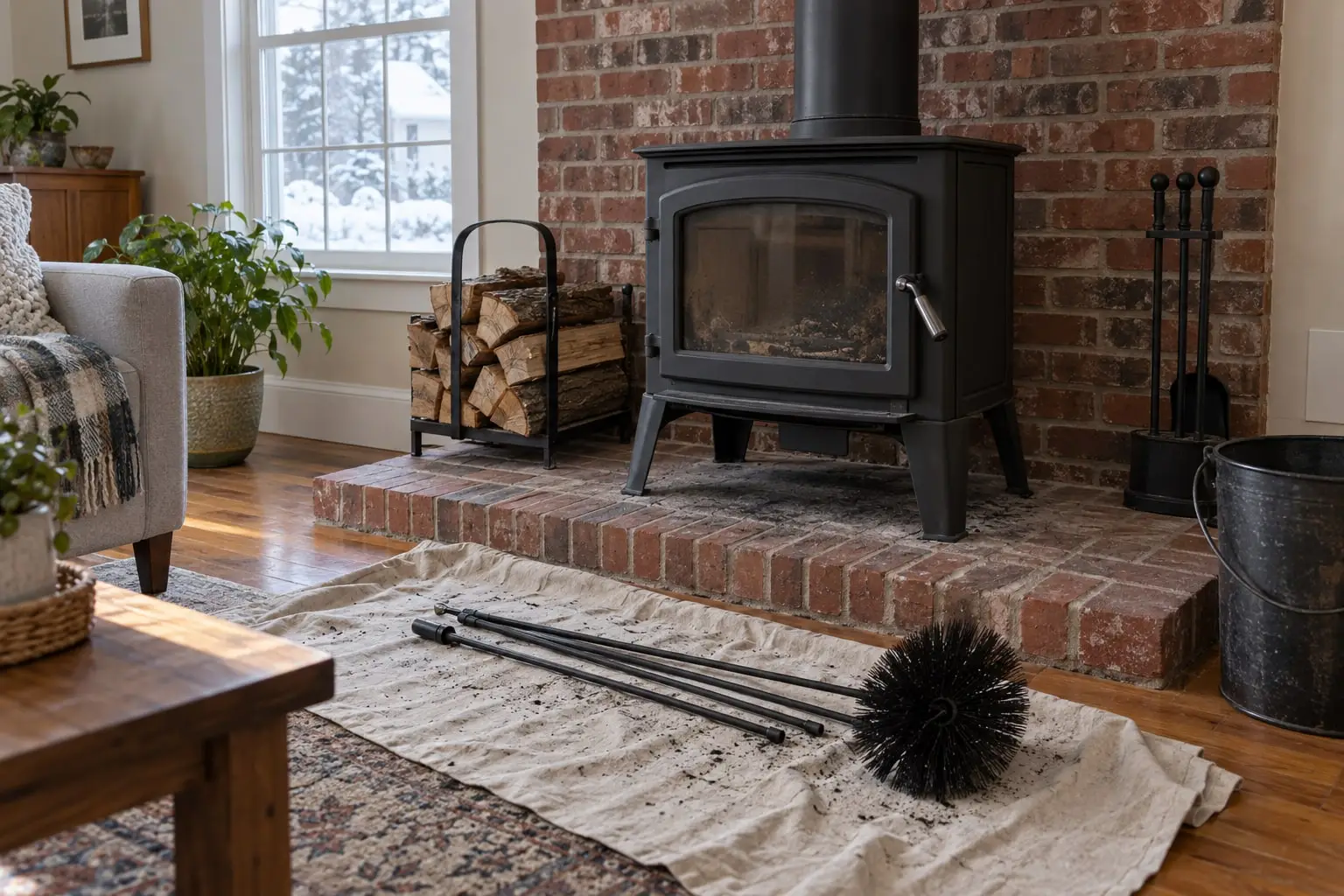
Chimney sweep
The flue brushed and the firebox cleared for a fireplace, stove or insert, with a short report afterward.
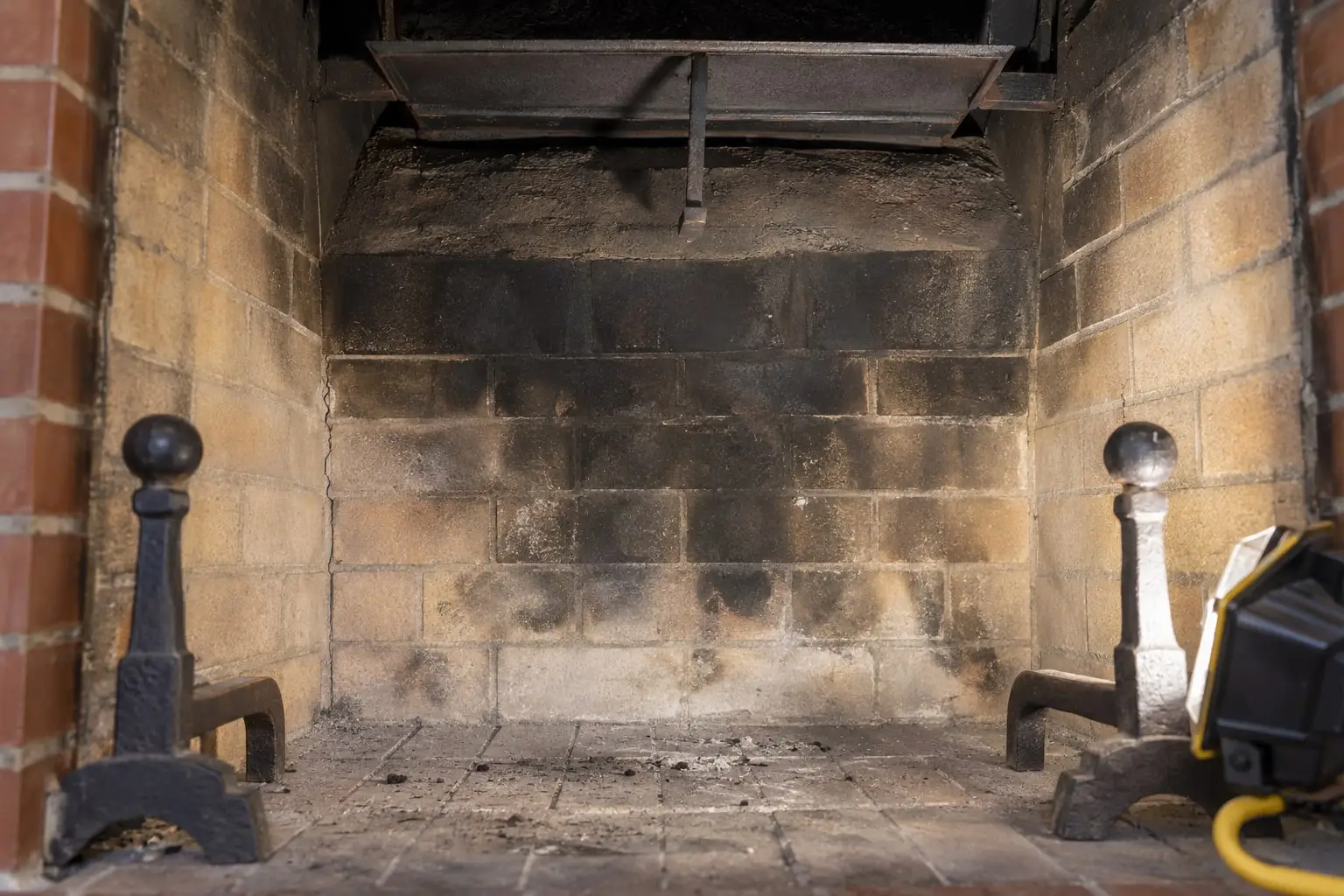
Chimney inspection
Every part from firebox to cap checked and explained, before a fire, a sale or a repair.
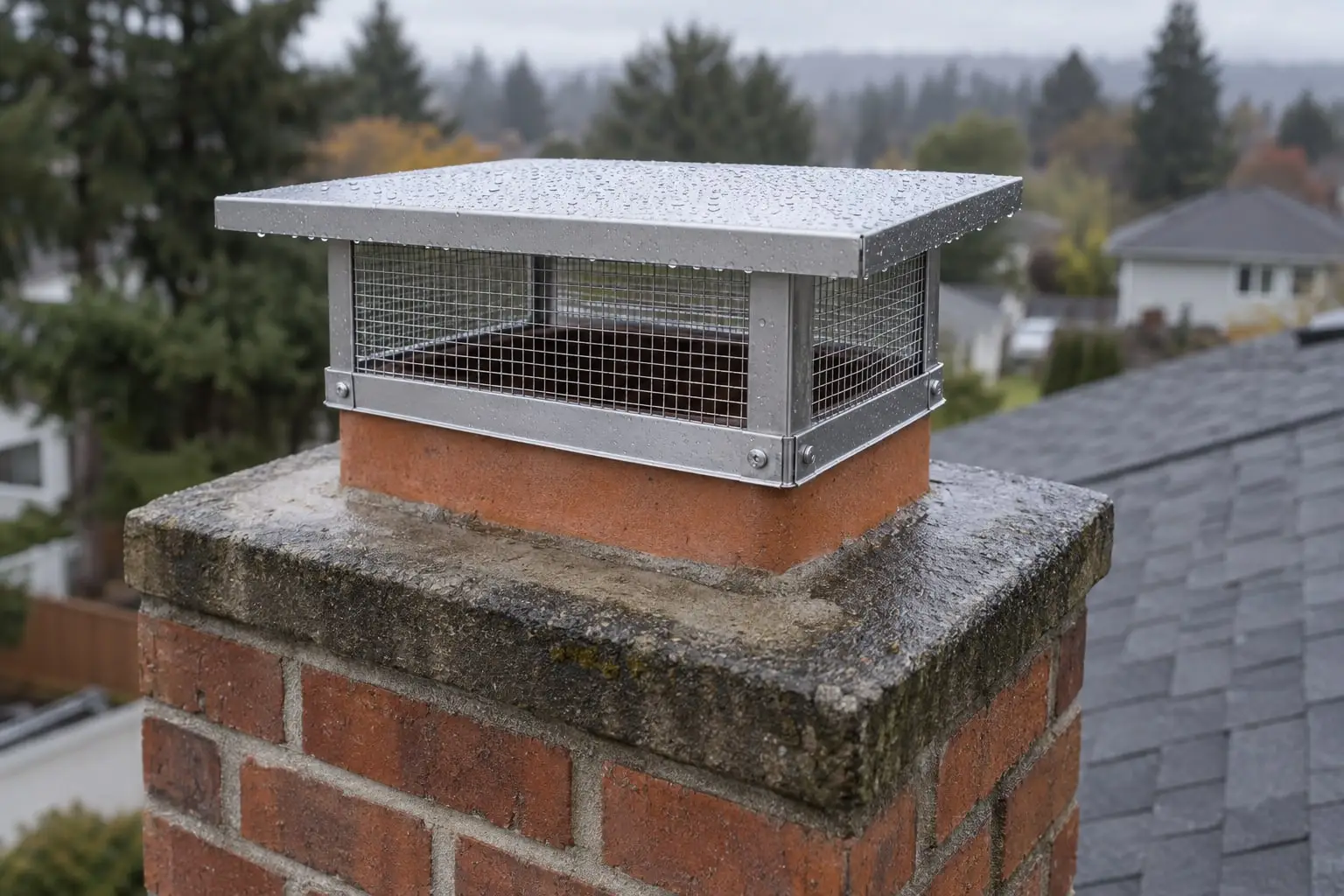
Chimney cap services
New stainless caps and multi-flue covers that block rain, leaves and animals but not the smoke.
Ready to book your chimney cleaning?
Fireplace, stove or insert? Tell us which, leave your number, and we call to set up a visit.